
The agriculture industry has always been one of the pillars of human civilizations. It has provided all the fruits, vegetables, and cereals that people consume throughout the world. Every fresh apple, tomato, lettuce, or berry owes its existence to the work of Https://Cugid.com/Recolectores-de-Frutas-y-Legumbres —fruit and vegetable harvest workers who pick and process crops to prepare them for distribution.
Although harvesting has always been associated with hard physical labor, nowadays the agricultural industry has changed drastically. The development of artificial intelligence, robotics, drones, IoT sensors, GPS-enabled machines, and farm management software is changing the way work is done on farms. All these advancements not only help workers perform their duties in a better manner but also increase the quality of crops and facilitate sustainable farming.
This guide will shed light on the importance of fruit and vegetable harvest workers, their skills, problems they have to deal with, and technology innovations in the field of agriculture.
Table of Contents
What Are Https://Cugid.com/Recolectores-de-Frutas-y-Legumbres?
The Spanish name “Https://Cugid.com/Recolectores-de-Frutas-y-Legumbres” refers to harvesters of fruits and vegetables. The main goal of such harvesters is the collection of mature crops from fields, orchards, vineyards, and greenhouses.
Harvest workers’ occupations may consist of:
- Orchards of fruits
- Fields of vegetables
- Fields of berries
- Greenhouses
- Vineyards
- Organic farms
- Mechanization of agriculture
They are essential for maintaining the quality of produced food, improving supply chains, and increasing profit margins of farm businesses.
Why are Harvest Workers Essential for Modern Agriculture?
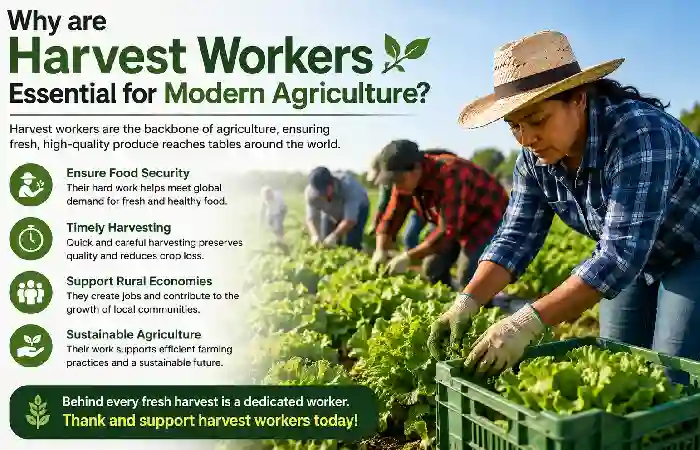
Timing is a significant factor during all stages of crop growing; however, it is particularly important when it comes to harvesting. Early harvesting may affect the taste and nutrition of the product, as well as its expiration period. In contrast, late harvesting will spoil the produce and cause losses for the business.
Harvest workers help agriculture in the following ways:
- Determining readiness of the crop for harvest
- Harvesting it without damaging it
- Sorting the fruits and vegetables depending on their quality
- Packing the harvested crop for transportation
- Conforming to food safety standards
- Reducing food waste
- Supplying the market regularly with products
The Agricultural Harvesting Process
Harvesting is not just about collecting fruits and vegetables; it is an organized activity that starts even before the actual collection of crops.
Checking the Maturity of Crops
The farmers check the crops at regular intervals in order to find out whether they have matured properly. The factors involved include:
- Colors
- Size
- Amount of sugar
- Levels of moisture
- Firmness
- Environmental conditions
Today’s modern farms rely heavily on electronic sensors and satellite technology for monitoring crop growth.
Equipment Preparation
Before the start of the harvest season, the workers need to prepare their equipment, including:
- Baskets
- Bins
- Harvesting knives
- Pruning shears
- Gloves
- Safety equipment
On bigger farms, the equipment used for mechanical harvesting is prepared and calibrated.
Collection of Harvest
Crops are harvested with great care, keeping in mind the unique harvesting requirements of each fruit or vegetable.
For instance:
- Tomatoes are carefully collected in order to avoid any damage.
- Apples are twisted gently from the branches.
- Grapes are clipped using the pruning shears.
- Leafy vegetables are cut from the base.
- Strawberries are collected manually.
Sorting and Quality Control
After harvesting, the produce undergoes quality control procedures.
The employees sort products by:
- Size
- Appearance
- Ripeness
- Damage
- Weight
- Market standards
Premium quality products are packed and sent to supermarkets, while inferior quality products are converted to juices, sauces, frozen products, or feed for animals.
Packing and Transport
Then, the harvested products are packed in such a way as to reduce damage during transport.
Cold storage facilities and refrigerated trucks help maintain the freshness of the products during the movement of the product.
How Technology Helps People
It is common opinion that technology replaces manual labor, but in agriculture it serves as an assistance device.
Technology assists people in:
- Recognizing ripe crops
- Limiting repetitive actions
- Ensuring workplace safety
- Easing documentation
- Managing work shifts
- Limiting physical strain
Sustainable Harvesting Practices
Sustainability has emerged as a key concern in agriculture today.
Principles of responsible harvesting include:
Soil Conservation
Soil is essential for sustainable agriculture.
Methods used by farmers include:
- Crop rotation
- Cover crops
- Tillage reduction
- Organic composts
Such methods allow farmers to improve the quality of their soil while preventing erosion.
Water Conservation
Effective irrigation technology allows farmers to conserve water that is not being used.
For example:
- Drip irrigation
- Soil moisture sensors
- Irrigation scheduling technology
- Rainwater harvesting
Water conservation is particularly important in areas prone to drought.
Waste Reduction
It may occur in the process of harvesting, transportation, storage, or retail.
Technology assists in reducing it through:
- Better planning of harvesting
- Efficient cold storage
- Inventory control in real time
- Efficient transportation
Waste reduction has positive implications for both farmers and consumers.
Automation in Agriculture of the Future
Automation is expected to further spread in agriculture.
Recent developments include:
- Autonomous tractors
- Robotic fruit harvesters
- Crop monitoring using AI
- Self-driving harvest machines
- Sorting machinery
- Packing plants
Despite the advancements, many of the delicate crops will still be harvested by humans for some time to come.
Vertical Farming and Indoor Agriculture
The rise of indoor farming utilizing controlled environments is another developing trend.
Vertical farms are characterized by:
- LED lighting
- Hydroponics
- Controlled climate
- Automated watering
- Artificial intelligence monitoring
Such a system allows harvesting throughout the whole year, saving resources on land and water usage.
Harvest laborers working in indoor farms usually employ technology to keep track of plant condition and production schedule.
Smart Greenhouses
Modern greenhouses are becoming more and more automated.
Features of smart greenhouses include controlling:
- Climate
- Ventilation
- Irrigation
- Lighting
- Carbon dioxide levels
Automation allows creating the best growing conditions and reduces the need for manual intervention.
Data-Driven Agriculture
Agriculture businesses gather an increasing amount of data nowadays.
The following information is collected:
- Growing process
- Weather changes
- Soil characteristics
- Machinery performance
- Yields of harvest
- Labor productivity
Analysis of the data allows farms to make better decisions and improve future harvests.
Why Agriculture Remains Essential
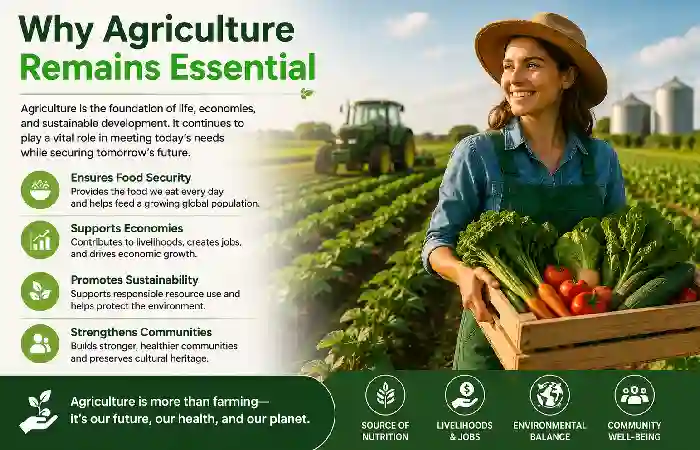
Even in light of modern technology, farming is one of the world’s most important sectors.
It provides:
- Security of global food supply
- Economic sustainability of rural areas
- Worldwide trade
- Employment
- Sustainable development
Any improvement in harvest helps deliver fresh and quality food to customers all over the world.
Farm Tips for New Technologies
When applying new technologies to a farm, it is important to:
- Evaluate needs.
- Train workers.
- Apply pilot projects.
- Observe the performance.
- Service equipment regularly.
- Evaluate the return on investment.
- Ensure safety of workers.
- Improve constantly based on results.
An incremental approach usually brings better results than drastic changes done all at once.
Frequently Asked Questions about Https://Cugid.com/Recolectores-de-Frutas-y-Legumbres
What does ” Https://Cugid.com/Recolectores-de-Frutas-y-Legumbres ” mean?
It is translated into harvest workers of fruit and vegetables.
Why are harvest workers important?
Harvest workers ensure timely harvest of the crops at the proper level of maturity to guarantee quality and avoid waste.
Are there any possibilities to substitute the workers with robots?
Although robots can assist in harvesting crops, there are a lot of fruits and vegetables that robots cannot harvest. New technology helps the workers but does not replace them in many cases.
What changes the agriculture industry now?
Nowadays, farmers apply such technologies as:
- Artificial intelligence
- Agricultural drones
- GPS-guided machines
- Internet of Things sensors
- Robotics
- Farming management software
- Computer vision systems
- Precision agriculture technologies
They provide high efficiency and precision.
What is the skill set of modern agricultural workers?
In addition to traditional harvesting skills, modern agricultural workers should know about:
- Digital technology
- Equipment operation
- Data collection
- Mobile applications
- Workplace safety
- Team communication
- Basics of technology
The skill set provides access to specialized agricultural careers.
Key Takeaways
The future of harvesting fruits and vegetables is based on a combination of experienced people and innovative technologies. In spite of all the changes that take place in the sphere of automation, artificial intelligence, robotics, and precision agriculture, experience is still necessary in many areas of crop production.
Here are some of the most important trends:
- The growing popularity of AI-based crop monitoring;
- The spread of agricultural robots;
- The rise of precision farming;
- The development of drone usage and IoT sensors;
- The implementation of digital tools for recruiting workers;
- The focus on sustainable development;
- The training of workers.
These tendencies contribute to the efficiency and sustainability of agriculture.
Conclusion
Https://Cugid.com/Recolectores-de-Frutas-y-Legumbres: Fruit and vegetable pickers are still very important elements of food production worldwide. The skills and efforts of fruit and vegetable pickers help fruits and vegetables to be delivered to consumers in perfect condition. However, technology is changing agriculture, starting from the planting process through harvesting, packaging, and delivery.
With the implementation of artificial intelligence, drones, robotics, sensors, GPS-controlled vehicles, and advanced systems of farm management, farmers can now make better decisions and reduce food waste. Technology does not replace people but rather supports their skills.
As the world will keep growing its population and require sustainable practices in food production, the combination of agricultural professionals and technologies will become critical for agriculture in the future. Those farms that will engage in responsible innovation and workforce development will be highly positioned in modern agriculture.